Water leaks in strictly dry environments represent a silent yet devastating category of operational failure. A leaking HVAC condensation line hidden beneath raised flooring, a loose pipe fitting in a warehouse, or subtle moisture seeping beneath an electrical panel often starts as mere drops. By the time human personnel detect the issue, critical equipment has failed, data is lost, or an entire area is flooded.
The core issue is not the physical leak itself as piping and infrastructure inevitably degrade over time but the lack of real-time awareness before damage escalates. Security cameras do not look under subfloors, and maintenance staff cannot manually monitor every hidden corner 24/7. This operational gap is precisely what IKAM's Smart Water Leak Detection solution addresses.
Most commercial facilities, manufacturing plants, and data centers rely on periodic manual inspections or occupant reporting. This model contains a fundamental flaw: plumbing failures do not align with human work schedules. A pipe may burst at midnight, over the weekend, or during off-peak hours when spaces are unattended. By Monday morning, water has seeped deep into raised floors, structural walls, and high-voltage distribution units.
In mission-critical environments such as server rooms, archive vaults, or high-value equipment zones, a response delay of just a few minutes converts a minor leak into catastrophic downtime. Reliable risk mitigation requires continuous automated monitoring rather than visual inspection.
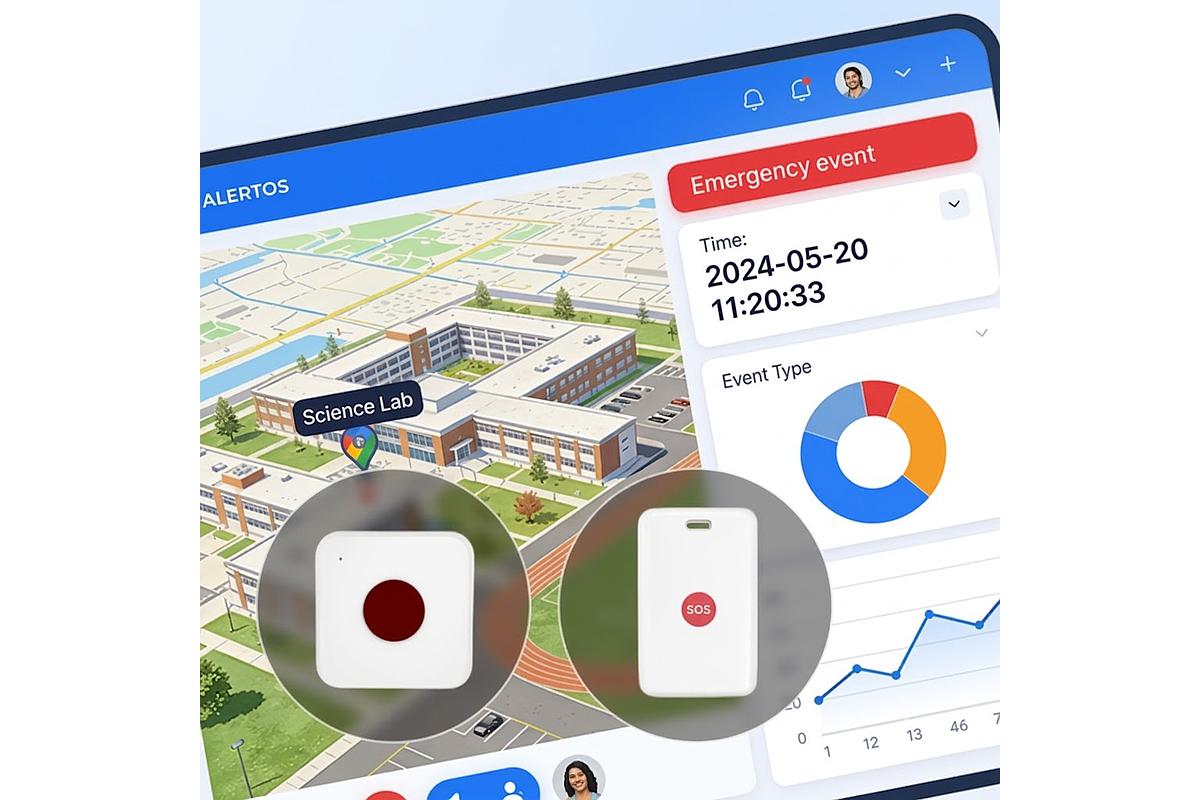
The operational principle is highly practical. Compact sensor nodes are deployed in high-risk zones along floor surfaces, beneath HVAC lines, adjacent to electrical cabinets, or in low-lying drainage angles. Coupled with flexible sensing cables or extension probes, they maximize surface contact area. Upon contact with moisture or liquid, the sensor triggers an immediate alert signal to the centralized management platform.

A primary challenge in large-scale facility deployments is achieving long-range signal transmission without complex hardwiring or relying on local Wi-Fi networks, which frequently suffer from dead zones in basements and technical rooms.
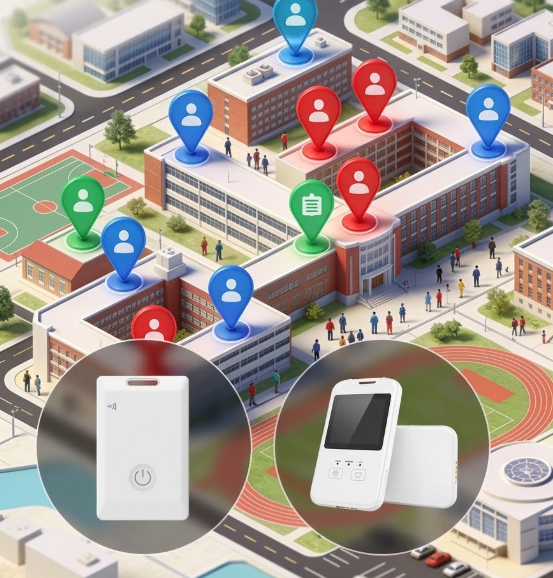
IKAM utilizes a long-range, low-power wireless protocol capable of penetrating dense urban infrastructure across several kilometers and extended distances in open environments. Consequently, regardless of how isolated the sensor location is, alert signals reach the central gateway reliably. Furthermore, ultra-low power consumption enables multi-year battery life on a single deployment, significantly minimizing ongoing routine maintenance.

Leak-prone locations frequently exhibit harsh environmental conditions, including high humidity, heavy dust, or potential prolonged liquid immersion. Monitoring hardware must be engineered to withstand these exact conditions without deteriorating or becoming a single point of failure.
Featuring high IP-rated dustproof and waterproof enclosures, these sensor nodes operate durably in subterranean or humid enclosures over time. Simple mounting options via mechanical screws or industrial double-sided adhesive allow rapid site deployment without structural modifications.
The ROI of automated leak monitoring stems directly from risk avoidance. A leak addressed within minutes requires minimal cleanup. The same incident left unmanaged overnight can lead to equipment replacement, operational disruption, and unrecoverable data loss.

Beyond rapid incident response, historical data aggregation enables facility personnel to identify recurring risk zones and schedule targeted preventive maintenance on aging pipes transitioning operations from reactive firefighting to predictive asset management.
Water leak detection operates seamlessly alongside IKAM’s broader IoT suite, including consumable level monitoring, asset health tracking, and indoor air quality (IAQ) metrics. Operational telemetry consolidates into a single central dashboard, eliminating fragmented software silos for facility teams.
For enterprise facilities, industrial plants, and data centers seeking robust asset protection without increasing headcount, automated monitoring offers a practical, high-impact defense. While it cannot stop plumbing aging, it guarantees immediate notification in the opening minutes of an incident long before it escalates into a major operational failure.